
![Navigating Storm Tree Damage: A Minneapolis Survival Guide [Updated in 2026] - Renstrom Tree Service](https://renstromtreeservice.com/wp-content/uploads/2023/09/Navigating-Storm-Tree-Damage-A-Minneapolis-Survival-Guide-Updated-in-2026.webp)
Minnesota storms are notorious for their sudden intensity. From the heavy ice loads of a January “clippper” to the high-velocity “derecho” winds of mid-summer, our local landscape is constantly under pressure. When the clouds clear, homeowners in White Bear Lake, Hugo, Arden Hills, Vadnais Heights, Lake Elmo and most of St. Paul, often find themselves facing a daunting and dangerous mess: fallen trunks, split canopies, and limbs tangled in power lines.
At Renstrom Tree Services, we know that the hours following a storm are filled with stress. However, acting too quickly—or without the right information—can lead to physical injury or costly insurance mistakes. This comprehensive guide is designed to help you navigate the aftermath of a storm safely, understand your legal and financial responsibilities in Minnesota, and learn why professional intervention is non-negotiable for storm-damaged trees.

1. Safety First: The Hidden Dangers of Storm-Damaged Wood
The most common mistake homeowners make is assuming a fallen tree is “static” or stable. In reality, a tree that has been uprooted or damaged by wind is a complex system of tension and compression.
The Physics of “Spring Poles” and Tension
When a tree falls, it often pins other branches or smaller trees beneath it. These are known as “spring poles.” If you attempt to cut a branch that is under tension, it can release with enough force to cause fatal injuries or throw a chainsaw back at the operator. According to the CDC, falls from heights and being struck by falling objects are leading causes of unintentional injury during storm cleanup.
Electrical Hazards and Grounding
In Minnesota, many neighborhoods feature mature “overstory” trees that share space with overhead power lines. If a tree is leaning on a line or even near one, the ground around the tree can become energized.
- The 10-Foot Rule: Always stay at least 10 feet away from any downed power line.
- Conductivity: Even if a tree isn’t touching a line, a wet tree or wet ground can conduct electricity. Always treat every downed line as “live.”
Structural Instability
A tree that is partially uprooted (a “leaner”) is a ticking time bomb. High winds can compromise the structural integrity of the root plate. In Minnesota’s clay-heavy soils, saturation from heavy rain can cause a seemingly stable tree to suddenly tip hours or days after the storm has passed.
2. Minnesota Law: Who is Responsible When a Tree Falls?
One of the most frequent questions we receive is: “My neighbor’s tree fell on my garage. Who pays?” In Minnesota, the law follows specific principles regarding “Acts of God” versus negligence.
The “Where It Lands” Rule
Under Minnesota common law, if a healthy tree falls due to a natural disaster (like a severe windstorm or ice storm), it is legally considered an “Act of God.”
- The Landing Zone: If your neighbor’s healthy tree falls into your yard, you are generally responsible for the cleanup on your property.
- The Liability Myth: Many homeowners believe the owner of the tree is always responsible. This is incorrect. Unless you can prove the tree was a known hazard, the person whose property received the damage usually files the claim with their own insurance.
When Negligence Changes the Rules
Responsibility shifts if the tree was diseased, dead, or hazardous prior to the storm. If a homeowner is aware (or should have been aware) that a tree was unstable and failed to take action, they may be held liable for damages.
Pro Tip: If you notice a neighbor has a dead tree leaning toward your house, send a polite, certified letter expressing your concern. This creates a “paper trail” that can be vital for insurance companies if the tree eventually fails.
3. Navigating Insurance and the Subrogation Process
Dealing with insurance adjusters after a catastrophic storm can be overwhelming. Understanding the terminology will help you advocate for your property.
What Does Homeowners Insurance Actually Cover?
- Structural Damage: If a tree hits your house, garage, or fence, your policy typically covers the cost of repairs and the professional removal of the tree to facilitate those repairs.
- Debris Removal: If a tree falls but hits nothing but the lawn, most standard policies provide little to no coverage for removal. You are essentially paying for “lawn maintenance” at that point.
- Blocking Access: Some policies cover removal if a tree blocks a driveway or a handicap-accessible ramp.
Understanding Subrogation
If your insurance company pays for your repairs but believes your neighbor was negligent (for example, they ignored a dead tree), your insurer may pursue subrogation.
- The Process: Your insurance pays you first to get your home fixed. Then, they “step into your shoes” to sue the neighbor’s insurance company to recover the money they spent.
- The Benefit to You: If your insurance company is successful in subrogation, they may be able to recover your deductible and refund it to you.
4. Why Professional Arborists and Specialized Equipment are Essential
Removing a tree that has fallen on a house is not a standard “cut and drop” job. It requires a level of precision that only ISA-Certified Arborists can provide.
The Power of Crane-Assisted Removal
At Renstrom Tree Services, we utilize specialized cranes for high-risk removals. This is the gold standard for storm damage for several reasons:
- Zero-Impact Removal: Instead of letting heavy logs drop onto your already damaged roof or lawn, a crane lifts the sections vertically and carries them to a safe “drop zone.”
- Safety for the Crew: Our arborists can often avoid climbing trees that have been structurally compromised, performing the work from the safety of a bucket or by using the crane to stabilize the trunk.
- Speed: What takes a ground crew two days to manually “rig” and lower can often be done in a few hours with a crane, reducing the time your home is exposed to the elements.
Certified Risk Assessment
A certified arborist doesn’t just look at what fell; they look at what is still standing. Storms often leave “widowmakers”—large branches hung up high in the canopy—that can fall at any time. We evaluate the remaining trees for vertical cracks, root heaving, and “V-shaped” crotches that are prone to future failure.
5. Prevention: Protecting Your Property Before the Next Storm
The best way to handle storm damage is to prevent it. Minnesota’s climate is hard on trees, but proactive care can significantly increase their “storm-hardiness.”
Species Selection
In our service areas like Hugo and Arden Hills, we often see fast-growing but brittle species like Silver Maples and Willow trees suffer the most damage. When planting, consider sturdier, native options like the Bur Oak or Ginkgo, which have stronger wood structures and deeper root systems.
Structural Pruning
Trees with “co-dominant leaders” (two main trunks of equal size) are the most likely to split during ice storms. An arborist can perform structural pruning while the tree is young to establish a single, strong leader. For mature trees, cabling and bracing can provide supplemental support to heavy limbs, preventing them from shearing off during high winds.
Identifying Hazards Early
Look for these “Red Flags” on your property:
- Mushrooms or Conks: Fungi growing at the base of the trunk often indicate internal root rot.
- Deep Vertical Cracks: A sign that the tree is already beginning to fail structurally.
- Soil Heaving: If the soil is lifting on one side of a leaning tree, the root plate is failing.
6. Your Post-Storm Action Plan
If you’ve just experienced a storm in the White Bear Lake or Vadnais Heights area, follow these steps:
- Assess from a Distance: Do not walk under or near damaged trees. Check for downed power lines first.
- Call the Professionals: Contact Renstrom Tree Services for an emergency assessment. We can help stabilize the situation and prevent further damage.
- Document Everything: Before we move a single branch, take clear photos of the damage from multiple angles for your insurance claim.
- Contact Your Agent: Inform your insurance company that you have a “loss” and that you are working with a certified arborist to mitigate the damage (which most policies require).
- Avoid “Door-Knockers”: After a major storm, out-of-state “tree hackers” often flood the area. Always ensure your tree service is local, insured, and employs certified arborists.
Serving Our Community
Renstrom Tree Services is proud to serve our neighbors in:
- White Bear Lake
- Hugo
- Arden Hills
- Vadnais Heights
- Lake Elmo
We live and work in these communities, and we understand the specific challenges our Minnesota weather presents. Whether you need an emergency crane removal or a proactive safety evaluation, our team is here to ensure your property remains a safe, beautiful place for your family.
Don’t wait for the next storm to finish what the last one started. Contact Renstrom Tree Services today for a professional evaluation of your property’s trees.
Reputable Sources & Citations
- University of Minnesota Extension: Storm Damage to Landscape Trees – extension.umn.edu
- Minnesota Department of Natural Resources (DNR): How to Hire an Arborist and Tree Care Safety – dnr.state.mn.us
- International Society of Arboriculture (ISA): Why Hire a Certified Arborist? – treesaregood.org
- KARE 11 News: Tree Liability and Minnesota Law: Who Pays for Downed Trees? – kare11.com
- Insurance Information Institute (III): Trees and Homeowners Insurance – iii.org
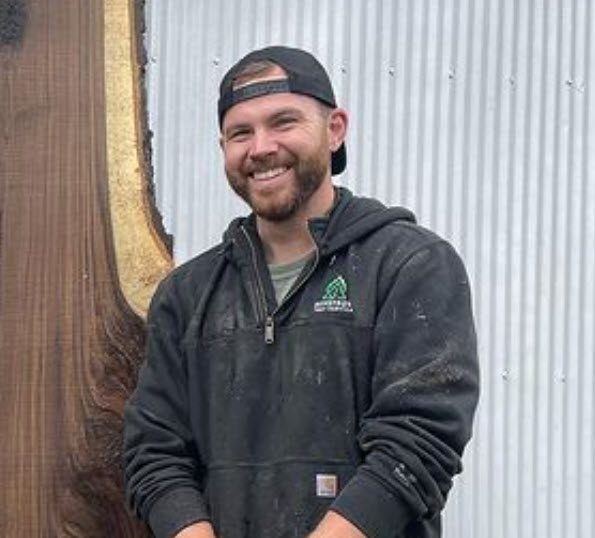
Erik Renstrom
For over a decade, Erik Renstrom, along with his company Renstrom Tree Service have been servicing the Minneapols / St. Paul area, helping home owners and businesses with their trees. Whether you have a tree that has fallen on your house or need storm damage cleanup, we are here for you, 24-7. Call Erik today! (651) 363-9616