
Introduction
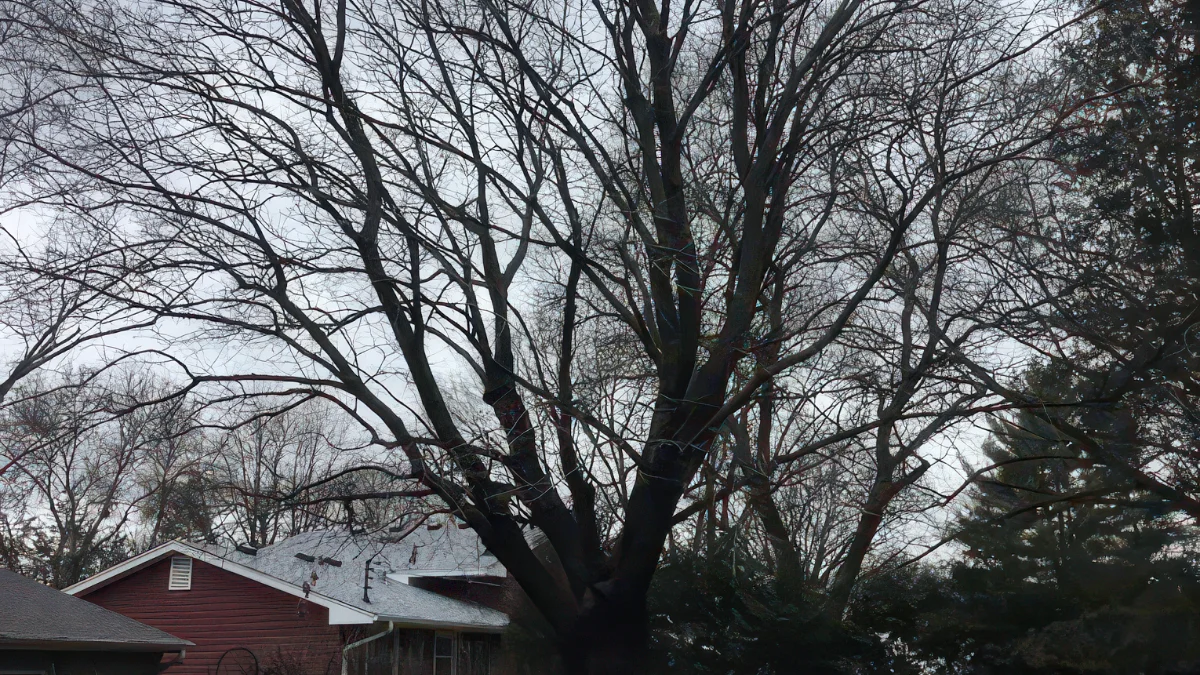
When mature oaks, maples, and lindens in White Bear Lake or St. Paul begin to show thinning canopies, scorched leaf margins, or sudden branch dieback in mid-summer, local homeowners often assume the worst. In many cases the cause is avoidable or manageable with timely intervention. For Twin Cities residents, a tree’s summer decline is usually the result of interacting stressors rather than one single problem, and understanding those interactions is the first step toward effective treatment and risk reduction.
As a family-owned local tree service led by Erik Renstrom, with ISA Certified Arborists and TRAQ-qualified arborists on staff, Renstrom Tree LLC has diagnosed and treated dozens of mature tree problems across White Bear Lake, Lake Elmo, Stillwater, Roseville, Lino Lakes, Mahtomedi, Grant, Woodbury, St. Paul, Ramsey County, and Washington County. This diagnostic checklist will walk you through the common causes we see in the Twin Cities, how to recognize each one, and when to call an arborist near me for a formal assessment.
Heat and Drought Stress
A long, hot summer can push mature trees beyond their physiological limits, especially when Minnesota’s variable rainfall patterns leave soils dry by July and August. Mature trees have larger leaf masses and higher water demands than young trees, so they can exhibit stress rapidly once deep soil moisture is depleted. Look for small leaves, wilting during the warmest part of the day, leaf scorch where margins turn brown while veins remain green, and early fall coloration or premature leaf drop. Trees under drought stress often develop secondary symptoms such as branch dieback, epicormic sprouting on the trunk and lower branches, and increased susceptibility to borers and bark beetles.
Diagnosing drought stress requires more than visual observation. We assess soil moisture at multiple depths using a moisture probe or soil auger, examine mulch depth and condition, and check for competing water demands from turf or nearby construction. In many Twin Cities yards, shallow soil, compacted planting sites, and impervious surfaces like driveways concentrate stress. Deep root watering and modifying irrigation practices can rehydrate the root zone and relieve immediate stress, but if drought stress recurs year after year it will reduce a mature tree’s vigor and resilience.
Soil Compaction and Limited Root Volume
Mature tree crowns are supported by an extensive root system that needs air, water, and space to function. Urban and suburban properties in the Twin Cities often limit root volume through compacted soils, excavation, utility trenches, and paving. When root growth is constrained, trees cannot access enough water during hot months or reserve sufficient carbohydrates for recovery. Symptoms include thinning crowns, sparse leafing on the outer canopy, brittle twigs, and shallow roots exposed at the soil surface.
Our field diagnostic steps include a visual survey of root collar symptoms, probing for compaction, and mapping disturbances such as recent grading or utility work. Mechanical damage to roots from construction is a common catalyst for summer decline, and small root injuries can produce symptoms that show up months or even years later. Treatments vary depending on severity and may include root collar excavation to detect decay, structural root pruning where roots are damaged but the tree remains stable, and soil decompaction or the installation of structural soils or engineered planting systems to increase the long-term root zone.
Pests and Diseases That Flare in Summer
Summer is when many insect pests and fungal pathogens are active, and a mature tree already weakened by drought or compaction is at higher risk. In the Twin Cities region, common summer stressors include emerald ash borer in ash trees, two-lined chestnut borer and bronze birch borer in stressed maples and birches, and foliar diseases that can defoliate trees under wet early-season conditions followed by heat. Look for exit holes, bark discoloration, sawdust or frass, thinning foliage, cankers, stem girdling, and fungal fruiting bodies at the base of the trunk.
Professional diagnosis uses both visual signs and targeted testing. For wood-boring insects we inspect for gallery patterns under the bark, and for pathogens we may submit samples to a plant diagnostic lab for identification. Treatment options depend on the organism and tree value, and can range from insecticide injections timed to pest life cycles, to targeted fungicide applications, to sanitation pruning for localized infections. Preventive health care programs are often the most cost-effective approach for valuable mature trees, and our ISA Certified Arborists can design seasonal plans that reduce the risk of summer pest outbreaks.
Root Collar Decay and Structural Failure Risk
Summer decline sometimes masks a deeper problem at the root collar or structural roots. Trees with decay at or below the soil line often show above-ground symptoms in drought months because the effective root system is reduced. Signs to watch for include mushrooms or fungal brackets at the base of the tree, soft or discolored wood at the root collar, and a history of soil buildup or repeated mulch layering that buries the trunk. These issues can progress to sudden failure of limbs or whole-tree overturn during storms if not addressed.
Because these conditions can present a safety hazard, our TRAQ-qualified arborists follow a methodical approach for tree risk assessment when root collar decay is suspected. We perform a visual tree assessment, check for fungal indicators, excavate around the root collar if necessary, and use non-invasive sounding techniques to detect hollowing. In cases where risk is moderate to high, we recommend actions ranging from crown reduction and targeted bracing to removal. Homeowners should not attempt to excavate roots or remove large fungal fruiting bodies themselves; improper handling can increase risk and damage critical root systems.
Mechanical Damage, Pruning History, and Storm Legacy
Mature trees reflect their entire life history, and past mechanical injuries or improper pruning often reveal themselves under summer stress. Trees that were topped, pruned flush to the trunk, or repeatedly skinned by mowers and string trimmers develop weak attachment points, decay pockets, and declines in branch vigor. Additionally, past storm damage that was poorly repaired can produce included bark or cracks that widen when the tree is under drought stress.
Our diagnostic checklist includes a careful review of pruning scars, attachment angles, and previous wound responses. We document defects that reduce load capacity and inspect for compensatory growth such as heavy epicormic shoots or excessive lean. For many mature trees, a corrective pruning program performed by certified arborists stabilizes the structure, reduces the weight on vulnerable limbs, and improves the tree’s ability to withstand both heat stress and storm events. For trees with extensive structural defects, removal may be the safest long-term option.
When to Call an Arborist Near Me – Professional Assessment and Safety
Not every declined leaf or dry branch requires a call to a professional, but several warning signs should prompt immediate attention from a qualified arborist near me. Sudden or widespread canopy dieback, visible fungal fruiting bodies at the trunk, large cracks or splits, root plate heave, and leaning trees following high winds are all indicators of potential failure. Safety is paramount – never attempt to remove large branches or fell a mature tree yourself. Falls from ladders and chainsaw accidents are common in DIY tree work and can have tragic outcomes.
A professional assessment begins with a visual and diagnostic checklist and may include more advanced tools and tests. Our ISA Certified Arborists can perform a full tree-risk assessment, use soil moisture mapping, and, when necessary, recommend laboratory analysis for pathogens. We are fully licensed and insured and bring over a decade of experience serving homeowners across the Minneapolis/St. Paul metro. When a diagnosis involves active risk to structures or people, we prioritize mitigation work and provide written recommendations that include the urgency level, recommended treatments, and expected outcomes.
Frequently Asked Questions
1. Why does my mature maple have brown edges on the leaves in mid-July?
Brown leaf margins on a mature maple in mid-summer commonly indicate leaf scorch caused by drought stress, high temperatures, or root damage. Reduced water uptake due to compacted soil, root injury, or competition from turf can limit transpiration cooling and lead to scorched edges. A professional inspection can determine whether deep watering, root condition remediation, or targeted treatments are needed.
2. Can a mature tree recover after a summer of severe stress?
Recovery depends on the underlying cause and the tree’s stored energy reserves. If summer decline is primarily due to a temporary drought event and the root system remains intact, trees often rebound with proper deep watering and reduced additional stress. If the decline is due to chronic root damage, decay, or repeated pest attacks, the tree’s long-term recovery may be limited and a managed replacement plan could be recommended.
3. How does soil compaction around the trunk affect summer health?
Soil compaction reduces pore space for air and water, limiting root respiration and growth. Compaction around the trunk reduces the functional root mass that can supply water during heat, causing canopy symptoms to appear more quickly. Soil decompaction, mulch management, and increasing rooting volume are common professional remedies to mitigate these effects.
4. Are fungal mushrooms at the base of my tree a sign it must be removed?
Fungal fruiting bodies at the base of a tree are a strong indicator of decay in the root or lower stem. While removal is not always immediately required, such fungi often signify structural weakness that increases the risk of failure. A certified arborist can excavate to assess the extent of decay, conduct a risk assessment, and advise on whether targeted mitigation or removal is the safer option.
5. How do I know if an insect is causing the decline or if it is just opportunistic?
Insects like borer species often attack trees that are already weakened by drought, disease, or mechanical injury. To distinguish between primary and secondary causes, an arborist will look for entry holes, frass patterns, and specific gallery characteristics beneath the bark, combined with an evaluation of the tree’s overall vigor and root condition. Treatment depends on whether the insect is the initiating agent or an opportunist exploiting an already stressed tree.
6. What are safe first steps a homeowner can take before an arborist arrives?
Homeowners can start by providing deep, slow watering to the root zone during dry spells, avoiding mowing or piling soil against the trunk, and clearing excessive mulch away from the root collar. However, homeowners should avoid digging around large roots, attempting major pruning of large limbs, or removing fungus themselves. For structural concerns or advanced decay, contact an ISA Certified Arborist to schedule a professional assessment.
Conclusion
Summer decline in mature trees is rarely caused by a single factor. In the Twin Cities, heat, drought, soil issues, pests, past injuries, and underlying decay all interact to produce symptoms that can escalate quickly without timely diagnosis. A methodical, professional assessment that accounts for site history, root condition, and pest presence is the most reliable way to determine whether a tree can be saved or presents an unacceptable risk. As a family-owned business led by Erik Renstrom with ISA Certified Arborists and TRAQ-qualified staff, Renstrom Tree LLC combines local experience with industry standards to help homeowners make informed decisions about their trees.
Ready to Find Out Why Your Tree Is Declining?
If your mature trees are showing signs of summer decline, schedule a professional evaluation with one of our ISA Certified Arborists. Read our Deep watering mature trees post for immediate steps you can take to support stressed root systems, and contact us for a full tree-risk assessment post when structural concerns are present. We serve White Bear Lake, Lake Elmo, Stillwater, Roseville, Lino Lakes, Mahtomedi, Grant, Woodbury, St. Paul, Ramsey County, and Washington County, bringing over a decade of local experience and the 2024 Nextdoor Neighborhood Fave and Readers’ Choice recognition to every assessment.