
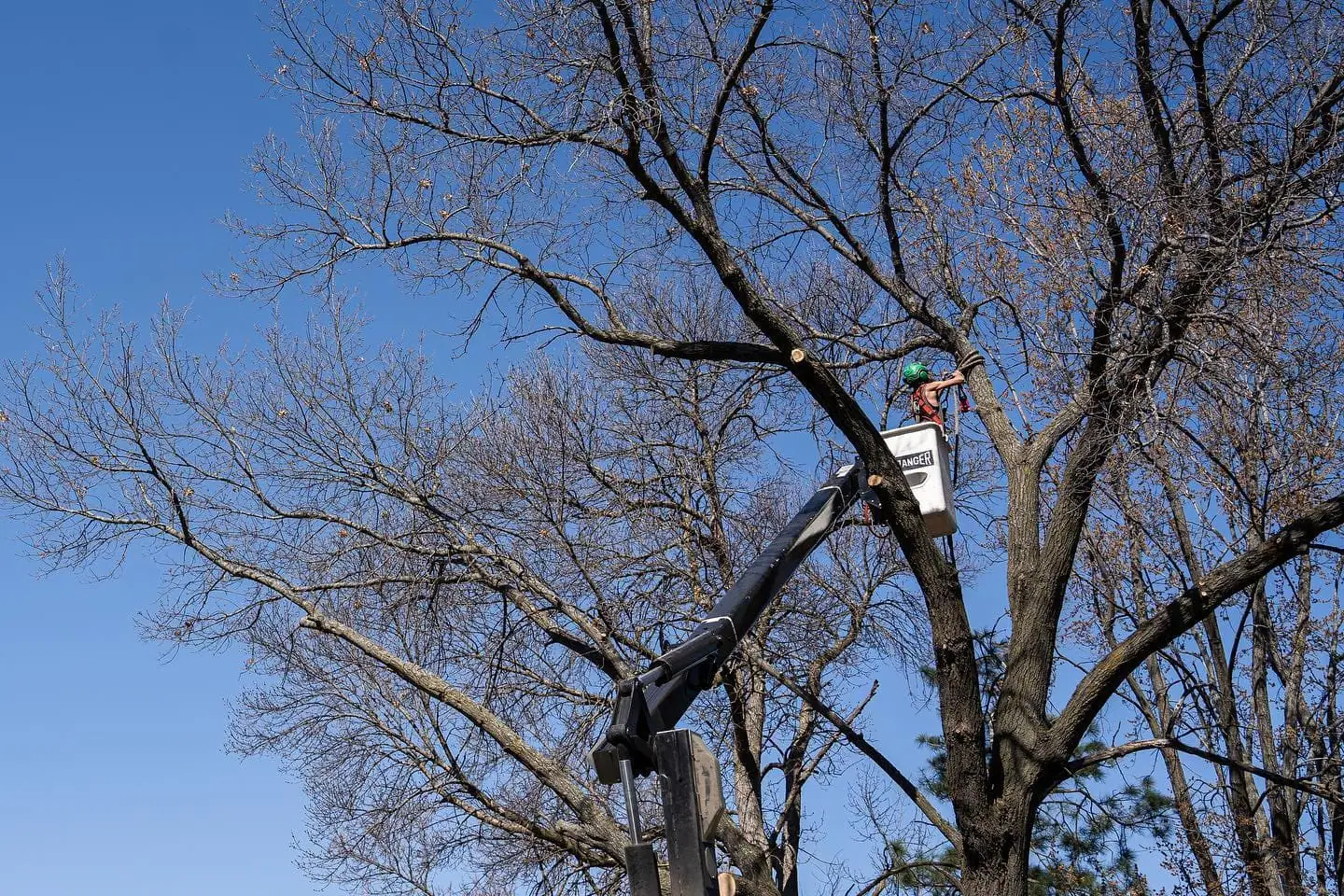
Proper tree care plays a critical role in maintaining safety, property value, and the long-term health of trees. Trees are living structures that change over time, and without professional care, small issues can develop into serious hazards. Strategic maintenance allows trees to be managed intentionally rather than reactively. When tree care is approached with experience and planning, it becomes an investment in the property rather than an ongoing liability.
One of the primary benefits of professional tree care is risk reduction. Certified arborists evaluate tree health, structural integrity, and site conditions to identify problems before they escalate. Dead branches, internal decay, poor branch attachments, and root issues often go unnoticed until failure occurs. Routine tree inspections and targeted pruning significantly reduce the risk of property damage or injury. Preventative tree care is safer, more controlled, and more cost-effective than emergency tree removal.
Professional tree care also improves overall tree health and longevity. Proper pruning supports natural growth patterns, strengthens branch structure, and reduces unnecessary stress on the tree. Cuts made according to industry standards allow trees to compartmentalize wounds effectively, limiting decay and disease. Over time, this leads to healthier canopies, stronger form, and improved resistance to storms and environmental stress. Well-maintained trees consistently outperform neglected ones.
Tree care has a direct impact on property value and landscape appearance. Healthy, properly pruned trees enhance curb appeal and contribute to a well-maintained, intentional landscape. In contrast, poorly maintained trees can appear overgrown, unstable, or unsafe. Professional tree care preserves the natural character of each species rather than forcing excessive or damaging cuts. The result is a landscape that looks balanced, mature, and well considered.
Effective tree care extends beyond the canopy and into the soil and root zone. Soil compaction, drainage issues, root damage, and previous construction activity all influence tree stability and health. Addressing these conditions supports stronger root systems and improves nutrient uptake. Trees that are supported below ground are more resilient above ground. This comprehensive approach is essential for long-term tree performance.
The long-term benefit of professional tree care is fewer emergencies and greater reliability. Trees that receive regular evaluation and maintenance are less likely to require sudden removal or corrective work. They retain their structure longer and continue adding value to the property over time. Professional tree care respects the lifespan of the tree and the responsibility that comes with managing it. That consistency is what ultimately separates routine maintenance from true care.