
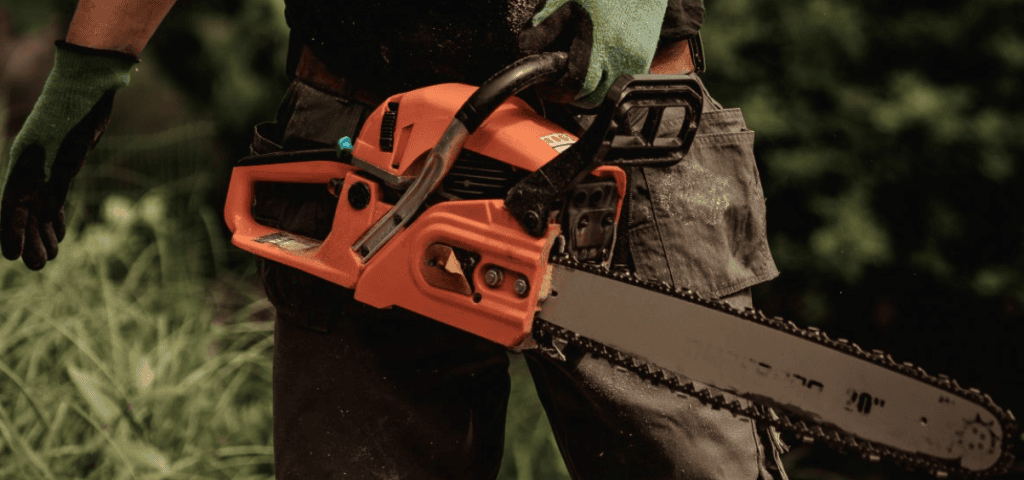
Pruning is more than just cutting branches—it’s a critical practice that keeps trees safe, healthy, and strong. Many homeowners and property managers don’t realize how much proper pruning affects tree longevity, structural stability, and overall appearance. Done correctly, pruning not only improves safety around your property but also enhances the health and growth of the tree for years to come.
One of the main reasons we prune trees is safety. Trees grow in unpredictable ways, and over time, branches can become weak, overextended, or poorly attached. These limbs are more likely to break during storms or under snow and ice, creating hazards for people, vehicles, and structures. By removing dead, damaged, or structurally unsound branches, pruning reduces the risk of injury or property damage while maintaining the tree’s overall stability.
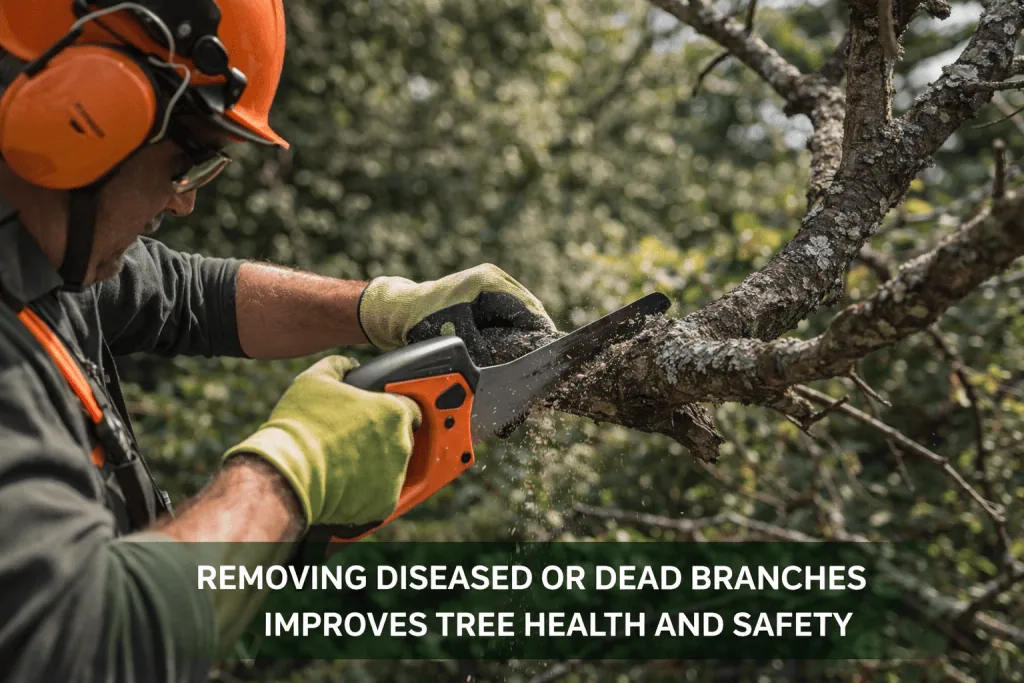
Pruning also plays a vital role in tree health. Removing diseased, dying, or crowded branches improves airflow and sunlight penetration throughout the canopy, which reduces the risk of pests, decay, and fungal infections. Proper pruning helps a tree focus energy on healthy growth rather than on stressed or competing branches. The right cuts encourage the tree to heal naturally, creating strong branch attachments and a balanced canopy over time.
The techniques used in pruning are just as important as the work itself. Certified arborists evaluate each tree before making a cut, considering species, branch structure, growth patterns, and long-term effects. uts are made strategically to preserve natural form and structural integrity while guiding future growth. This isn’t about shaping trees for appearance alone—it’s about supporting strong, safe, and sustainable development. Correct pruning minimizes stress on the tree, prevents weak regrowth, and extends its lifespan.
Pruning is also site-specific. Trees along streets, sidewalks, or driveways face unique challenges, from limited space to vehicle and pedestrian traffic. Understanding these conditions allows arborists to make thoughtful decisions about which branches to remove and how to direct growth safely. This careful assessment ensures the tree can thrive while reducing risks to the surrounding environment.
Ultimately, pruning is an investment in the long-term value of your trees. Trees that are evaluated and maintained regularly are safer, healthier, and more resilient to storms and environmental stress. Pruning isn’t just maintenance—it’s preventive care that strengthens the tree, protects property, and improves the overall appearance of your landscape. By understanding why we prune and the methods behind it, homeowners can see that proper tree care is as much about foresight as it is about the work itself.
Erik Renstrom
For over a decade, Erik Renstrom, along with his company Renstrom Tree Service have been servicing the Minneapols / St. Paul area, helping home owners and businesses with their trees. Whether you have a tree that has fallen on your house or need storm damage cleanup, we are here for you, 24-7. Call Erik today! (651) 363-9616