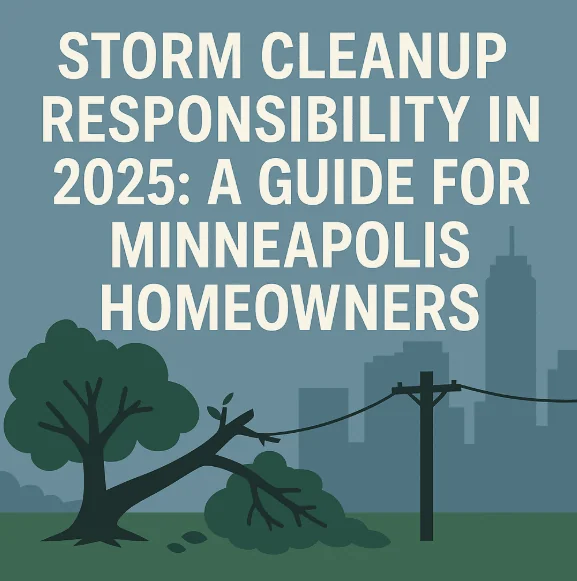
Storm cleanup responsibility is more important than ever for homeowners in the Minneapolis area, especially as severe weather events become increasingly common in 2025. Knowing who is liable for fallen trees and property damage—and what steps to take—can help you avoid costly disputes and protect your home.
In this post, we’ll break down the essentials of tree liability, maintenance responsibilities, and how to work with neighbors, city services, and insurance companies to handle post-storm cleanup the right way.
Understanding Tree Liability and Responsibility
After a major storm, trees can fall on homes, vehicles, power lines, or even across property lines—leading to confusion about who is responsible for cleanup. In most cases, liability depends on who owns the tree, its condition before the storm, and where it falls.
In Minnesota and other states, common law principles apply: if a healthy tree falls during a storm (an “Act of God”), the property owner where it falls is usually responsible. But if the tree was dead or poorly maintained, the tree owner could be liable for damages.
Understanding Tree Liability and Responsibility
If a tree is on your property, it’s your responsibility to maintain it. Regular pruning, hazard inspections, and removal of dead branches are essential—not just for curb appeal but to limit liability during storms.
“When in doubt, call the pros,” says Erik Renstrom of Renstrom Tree Service. “We assess trees for risks others may miss and keep your landscape safe year-round.”
Renstrom Tree Service specializes in professional tree trimming, removals, and storm prep services throughout Minneapolis and surrounding areas.
The Role of Insurance Agents in Resolving Disputes
If your neighbor’s tree falls on your property (or vice versa), the first call should be to your insurance agent, not a lawyer. Most homeowner policies cover storm damage regardless of whose tree it was—provided there was no prior negligence.
Always document the damage with photos, contact your insurer promptly, and let them assess liability before escalating to legal action.
Quick Tips:
- Contact your insurance company before involving legal counsel.
- Maintain healthy trees to minimize risk.
- Call a professional like Renstrom Tree Service after a storm for safe removal.
Talking Points:
- Maintaining healthy trees on private property reduces potential hazards during storms.
- Hiring professional tree service companies like Renstrom Tree Service ensures proper care of your landscape.
- Contacting insurance agents should be considered before pursuing legal action against neighbors over fallen-tree disputes.
Private property holders should be aware of their obligations in regards to looking after trees on their land. This knowledge can help prevent disputes and minimize liability in the event of a storm or other natural disaster. Moving forward, we will discuss how public entities like Minneapolis city workers manage tree care duties as well as what steps are necessary for private property owners who may need to intervene with public properties.
Key Takeaway: In the event that storm-related damages arise between neighbors due to fallen trees or branches, consulting insurance agents should be done first before jumping into any legal action.
Dealing with Trees on Public Property
The City of Minneapolis is responsible for clearing trees and debris on public land, such as parks and boulevards. But if your tree falls onto a sidewalk, street, or public right-of-way, you are still responsible for removing it.
That’s why homeowners should:
- Keep receipts and photos for insurance or reimbursement.
- Hire a licensed tree removal company with experience in public space cleanup.
- Verify if a permit is required before cutting or removing the tree.
When Private Property Owners Must Step In
If a tree is located on private land but falls due to bad weather into public space, the owner of that property must take care of its removal. This means that if your tree has toppled over onto a nearby sidewalk or street during inclement weather conditions; you should contact a professional tree service company like Renstrom Tree Service, which specializes in tree trimming and removal services within Minneapolis area.
- Contacting professionals: Hiring an experienced company ensures that your fallen tree is removed safely without causing further damage or injury.
- Navigating permits: Some cities require permits for certain types of tree work; a professional tree service company will be familiar with local regulations and can help you navigate the process.
- Insurance claims: In some cases, your homeowner’s insurance may cover the cost of tree removal. A reputable tree service provider can assist you in documenting the damage for your claim.
In conclusion, it is essential to understand both public and private responsibilities when dealing with fallen trees on public property. Minneapolis city workers are responsible for clearing debris from parks and boulevards; however, if a tree originates from private property but falls onto public land or right-of-way areas, it becomes the responsibility of the property owner to handle its removal. By working together as a community during storm cleanup efforts, we can ensure that our neighborhoods remain safe and accessible for all residents.
Minneapolis city employees must be aware of their duties concerning trees on public land, while private landowners should take the necessary steps when needed. Working together as neighbors during storm cleanup can be beneficial by keeping roads clear and accessible for emergency services.
Key Takeaway: If a tree originating on private property falls onto public land or right-of-way areas, it’s up to the owner to take care of its removal – they should enlist help from an experienced tree service company like Renstrom Tree Service in order to get the job done properly.
Neighborly Cooperation During Storm Cleanup
In the aftermath of severe weather, neighbors should come together to help each other with storm cleanup efforts. This cooperation not only fosters goodwill within communities like Minnehaha County but also helps keep roads open for emergency services.
Importance of Working Together as Neighbors
When severe weather strikes and causes storm damage, such as downed power lines or fallen trees, it’s crucial that everyone in the community works together to clean up debris and restore normalcy. By assisting one another in clearing dead branches and other hazards from properties, neighbors can ensure a safer environment for all residents.
- Promotes a sense of unity within the community
- Fosters positive relationships among neighbors
- Makes cleanup efforts more efficient by pooling resources and manpower
- Safeguards public spaces from potential dangers posed by lingering debris
Keeping Roads Clear for Emergency Access
In a situation of urgency, it is imperative that vehicles providing emergency services have the ability to reach areas in need without obstruction. As Steve Groen, Highway Superintendent for Minnehaha County points out: “neighbors are very impressive and help keep roads open in case of an emergency.” When residents collaborate on removing fallen trees or large branches blocking roadways after storms; they play a vital role in ensuring prompt response times for first responders like firefighters, paramedics, and law enforcement officers.
- Evaluate: Assess your property and surrounding area for any potential hazards caused by storm damage.
- Wait for the Storm to Pass: Before venturing outside, ensure that it is safe to do so. Be cautious of downed power lines and other hazards.
- Communicate: Reach out to your neighbors and discuss a plan for tackling cleanup efforts together.
- Prioritize: Focus on clearing debris from roads and public spaces first before moving onto individual properties.
You could also consider chemical treatments which hasten decomposition over time but require patience as they work slowly. Prices vary based on product choice but typically range between $10-$20 per treatment application.
No matter what option you choose, removing a tree stump will give your yard a clean slate – ready for whatever landscaping dreams you’ve got up your sleeve.
In conclusion, by working together as neighbors during storm cleanup, communities can quickly recover from severe weather events while fostering a sense of unity and cooperation among residents. By keeping roads clear for emergency access, they also help ensure the safety of everyone in their community.
In conclusion, neighborly cooperation during storm cleanup is essential to ensure that roads remain clear for emergency access and all parties involved can work together in a timely manner. Moving on, handling fallen trees between neighboring properties requires collaboration as well as the ability to resolve any disputes through legal channels if necessary.
Key Takeaway: Neighbors should join forces to help each other in the aftermath of a storm, by pooling resources and manpower for cleanup efforts. By doing so, not only does it foster good relationships within the community but also keeps roads open for emergency services to quickly respond when needed.
Handling Fallen Trees Between Neighboring Properties
When trees or branches fall between neighboring properties due to storms or natural causes, both parties should collaborate on cleaning up the debris. If there is any dispute regarding damages caused by falling trees or branches originating from one homeowner’s lot onto another’s lot; this becomes a civil matter that may require legal intervention.
Collaborating on Clean-Up Efforts
In the aftermath of a storm, it is essential for neighbors to work together in clearing fallen trees and branches from their shared property lines. This collaborative effort not only helps maintain good relations among neighbors but also ensures faster recovery from storm damage. One way to achieve effective collaboration is by dividing tasks such as cutting large tree limbs into manageable pieces, hauling them away using appropriate tools and equipment, and disposing of them properly at designated locations.
- Contact your neighbor immediately after noticing fallen trees or branches on your shared property line.
- Determine if any professional assistance like Renstrom Tree Service might be required for safe removal of larger debris.
- Create a plan with specific roles for each party involved in the clean-up process.
- Maintain open communication throughout the cleanup efforts to ensure smooth coordination between all parties involved.
Resolving Disputes Through Legal Channels
If disputes arise over responsibility for damages caused by fallen trees or branches, it may become necessary to seek legal counsel. A personal injury attorney like Scott Abdallah can help clarify general common law principles followed in South Dakota and other states when determining liability related to tree maintenance issues. Rather than litigating, exploring alternative dispute resolution such as mediation or arbitration may prove more beneficial in quickly and cost-effectively resolving tree maintenance issues. These options can often lead to faster and more cost-effective solutions than traditional litigation.
- Document the damages caused by fallen trees or branches with photographs and written descriptions.
- Contact your insurance agent for guidance on how to proceed with potential claims related to storm damage.
- If necessary, consult a personal injury attorney familiar with local laws governing tree liability issues.
- Consider alternative dispute resolution methods like mediation or arbitration before resorting to legal action in court.
In cases where disputes cannot be resolved amicably between neighbors, seeking professional assistance from Renstrom Tree Service may help alleviate tensions and provide expert advice on proper tree maintenance practices moving forward. By working together during storm cleanup efforts and addressing any concerns proactively, homeowners can maintain harmonious relationships while ensuring their properties remain safe and well-maintained after severe weather events.
It is important for neighbors to collaborate and work together in order to efficiently handle fallen trees between their properties. Pruning overhanging tree branches legally requires understanding of the legal rights, as well as proper pruning practices that will help avoid conflicts with neighboring property owners.
The Importance and Costs of Tree Trimming
Regular trimming is the secret sauce to maintaining the health and aesthetics of your trees. Plus, it’s a safety net against falling limbs – literally.
Let’s break down this tree-trimming gig:
Key Takeaway: In the event of disagreement over destruction caused by toppled trees or branches, legal guidance may be needed to settle the situation; however, other dispute resolution techniques like mediation are often a more cost-effective alternative than taking it to court.
Pruning Overhanging Tree Branches Legally
Homeowners have rights when it comes to managing overhanging tree branches crossing their property lines. By understanding these rights under local laws such as those governing pruning practices above your own land boundaries, you can avoid potential disputes with neighbors. In this section, we will discuss the legal rights to prune overhanging branches and how proper pruning practices can help prevent conflicts.
Legal Rights to Prune Overhanging Branches
Homeowners generally possess the authority to trim any part of a tree which overhangs onto their property, without needing approval from the owner of said tree. However, there may be some restrictions in place depending on local ordinances or state laws. It is essential for homeowners to research and understand these regulations before taking action.
- Contact Local Authorities: Reach out to your city or county office for information about specific rules regarding trimming trees within your jurisdiction.
- Hire a Professional: Consider hiring a reputable tree service company like Renstrom Tree Service for expert advice and assistance in safely trimming overgrown branches on your property.
- Avoid Damaging Neighbor’s Property: When pruning overhanging branches, ensure that you do not cause damage or harm to your neighbor’s property or the health of their tree. This could lead to potential liability issues if not handled properly.
Avoiding Conflicts Through Proper Pruning Practices
Maintaining open communication with neighbors is key when addressing concerns about overgrown trees encroaching on shared boundaries. Here are some tips to help prevent disputes and maintain good relationships with your neighbors:
- Discuss Your Intentions: Before pruning any overhanging branches, talk to your neighbor about your plans. Discuss your intentions with your neighbor before pruning any overhanging branches to prevent potential disagreements and give them a chance to express their worries.
- Share the Cost: If both parties agree that tree maintenance is necessary, consider sharing the cost of hiring a professional tree service company like Renstrom Tree Service. This demonstrates goodwill and fosters cooperation between neighbors.
- Follow Best Practices: When trimming trees, adhere to industry-standard practices such as those outlined by the International Society of Arboriculture. Proper pruning techniques not only ensure safety but also promote healthy tree growth.
Taking a proactive approach in addressing overhanging tree branches on your property can save you time, money, and potential conflicts with neighbors. By understanding local laws governing pruning rights and following best practices for maintaining trees safely; homeowners can enjoy their outdoor spaces without worry or tension among neighboring properties.
Key Takeaway: All in all, taking a proactive approach can help keep disputes at bay while ensuring healthy trees and safe outdoor spaces.
FAQs in Relation to Storm Cleanup Responsibility
Who is responsible for cleaning up after a severe storm?
Local governments handle public spaces, but homeowners are responsible for damage and debris on their own property.
What if my neighbor’s tree falls on my house?
Call your insurance company first. If the tree was healthy, your own policy typically covers the damage.
Do I need a permit to remove a fallen tree?
In many Minneapolis neighborhoods, yes. Always check with the city or work with a pro who knows the regulations.
Conclusion
Renstrom Tree Service is here to help you with storm cleanup responsibility. We specialize in tree trimming and removal services, providing professional solutions for all your needs.
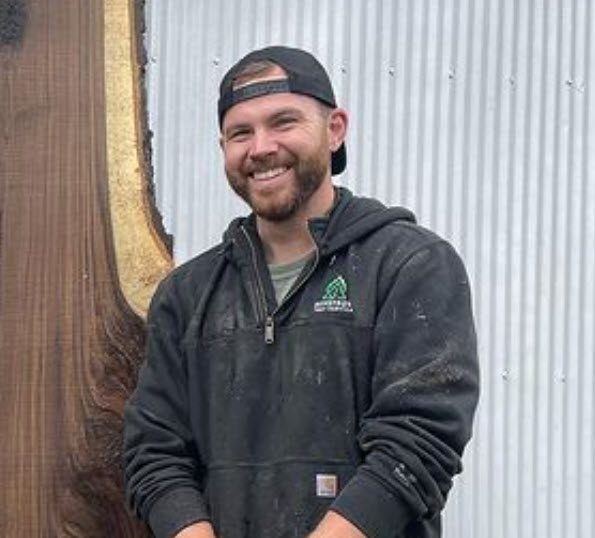
Erik Renstrom
For over a decade, Erik Renstrom, along with his company Renstrom Tree Service have been servicing the Minneapols / St. Paul area, helping home owners and businesses with their trees. Whether you have a tree that has fallen on your house or need storm damage cleanup, we are here for you, 24-7. Call Erik today! (651) 363-9616