
Introduction
Planting a tree is one of the most rewarding investments you can make in your property. A well-chosen, well-planted tree will provide shade, beauty, wildlife habitat, and significant property value for decades to come. But the success of that investment depends heavily on timing. Plant at the wrong time of year, and even the healthiest tree can struggle to establish itself and may ultimately fail.
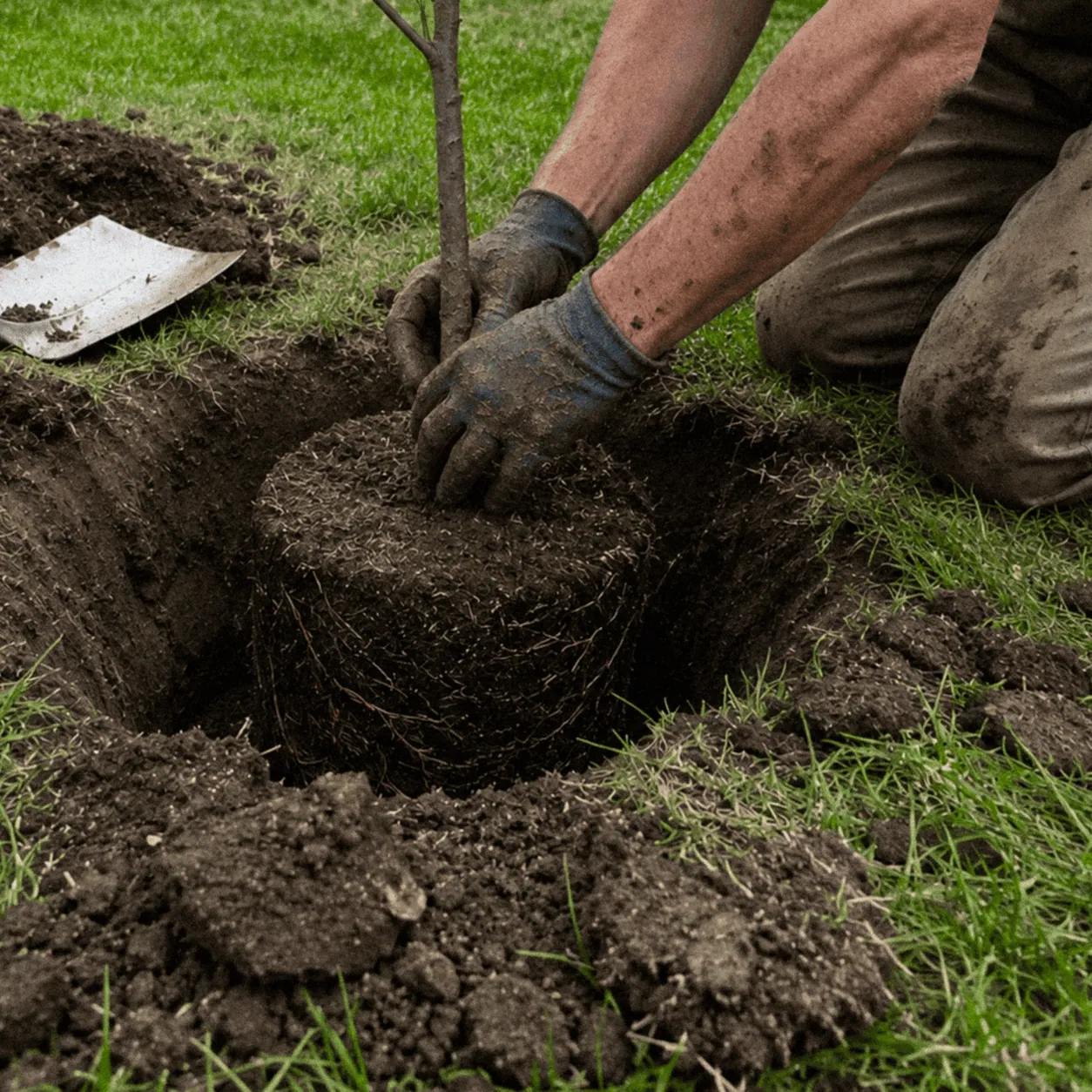
The best time to plant trees in minnesota is during the early spring or early fall, when temperatures are moderate and the tree can focus its energy on root development rather than simply surviving extreme heat or cold. Understanding why these windows are ideal, and what to do during each season to give your tree the best possible start, is the foundation of successful tree establishment in our climate.
Why Timing Matters So Much in Minnesota
Minnesota’s climate is characterized by dramatic seasonal extremes. Summers can bring weeks of heat and drought stress, while winters bring deep freezes that can damage root systems that have not had adequate time to establish. Trees are living organisms that respond to these environmental conditions, and planting at the wrong time forces a newly transplanted tree to cope with extreme stress before it has developed the root system needed to support itself.
When you plant a tree, you are severing a significant portion of its root system from the nursery environment. The tree must immediately begin regenerating those roots in a new soil environment. This process requires energy, moisture, and moderate temperatures. Planting during a period of extreme heat or cold dramatically reduces the tree’s ability to regenerate roots, increasing the risk of transplant shock and death.
Spring Planting: April to May
Spring is widely considered the optimal planting window for most tree species in Minnesota. As soon as the frost leaves the ground and the soil becomes workable, typically in April, you can begin planting. The soil is moist from snowmelt, temperatures are moderate, and the tree has the entire growing season ahead of it to establish its root system.
The Primary Advantage of Spring Planting
Spring planting gives the tree the maximum amount of time to establish roots before the arrival of winter. A tree planted in April or May has five to six months of active growing season to develop its root system before the ground freezes. This extended establishment period dramatically increases the tree’s ability to survive its first winter and thrive in subsequent years.
The Challenge: Summer Watering
The primary challenge with spring planting is ensuring the tree receives adequate moisture during the hot, dry periods of July and August. A newly planted tree has a limited root system and cannot access water from a wide area of soil. During dry spells, you must water the tree deeply and consistently to prevent drought stress. This is the most common reason spring-planted trees fail: they are planted successfully but not watered adequately during the summer.
Best Practices for Spring Planting
Plant as early in the spring as the soil is workable. Apply a 3 to 4 inch layer of mulch around the base of the tree, keeping it away from the trunk, to retain soil moisture and moderate soil temperature. Water deeply once or twice per week during dry periods throughout the first growing season.
Fall Planting: September to October
Early fall is the second-best planting window in Minnesota and is preferred by many experienced arborists for certain species. The key is to plant early enough in the fall that the tree has at least six weeks of root growth before the ground freezes, which typically means planting no later than mid-October in most parts of the Twin Cities metro.
The Primary Advantage of Fall Planting
The soil in early fall is still warm from the summer, which encourages rapid root growth. At the same time, the cooler air temperatures reduce the stress on the tree’s canopy, allowing it to direct more energy toward root development. Fall-planted trees often establish their root systems more quickly than spring-planted trees because of this combination of warm soil and cool air.
The Challenge: Species Selection
Not all trees are equally suited to fall planting. Evergreens and certain slow-rooting deciduous species, such as oaks and birches, are generally better suited to spring planting. They need more time to establish before facing the stress of winter. Maples, lindens, and many other deciduous species handle fall planting very well.
Best Practices for Fall Planting
Plant early enough to allow at least six weeks of root growth before the ground freezes. Water the tree thoroughly at planting and continue watering until the ground freezes. Apply mulch to insulate the root zone and protect it from freeze-thaw cycles. Do not fertilize in the fall, as this can stimulate tender new growth that will be damaged by frost.
Why Summer Planting Is Risky
Planting a tree in the middle of a Minnesota summer is highly stressful for the plant and should be avoided whenever possible. The combination of intense heat, high evaporation rates, and the reduced root system of a newly transplanted tree creates a perfect storm for transplant shock.
During the summer, a tree loses water through its leaves at a very high rate. A well-established tree with an extensive root system can handle this demand. A newly planted tree with a limited root ball cannot. The result is often severe wilting, leaf scorch, and in many cases, death. If you must plant during the summer, choose a cloudy or overcast period, water extensively, and provide temporary shade protection for the first few weeks.
Choosing the Right Tree for Your Property
Timing is only one part of successful tree establishment. Choosing the right species for your specific site is equally important. Minnesota’s climate and soil conditions favor certain species, and selecting a tree that is well-adapted to your local environment will always outperform an exotic species that struggles with our winters.
Native Species That Thrive in the Twin Cities
Native trees are adapted to Minnesota’s climate and soil conditions, require less maintenance once established, and provide important habitat for local wildlife. Strong choices include Bur Oak, a massive, long-lived tree with exceptional drought tolerance; Sugar Maple, prized for its spectacular fall color and dense shade; Hackberry, an underappreciated native that tolerates a wide range of soil conditions; and River Birch, a beautiful multi-stemmed tree that thrives in moist areas.
Matching the Tree to the Site
Consider the mature size of the tree relative to the available space. A tree planted too close to a house, power line, or driveway will eventually create the same problems you are trying to avoid. Consider the soil drainage, sun exposure, and proximity to utilities before selecting a species.
The Most Common Tree Planting Mistakes
Planting Too Deep
This is the single most common and most damaging tree planting mistake. The root flare, which is the point where the trunk widens at the base, must be visible at or just above the soil line. Burying the root flare causes the bark to stay constantly moist, leading to decay, disease, and eventual death. Many trees sold in nurseries are already planted too deep in their containers; check the root flare before planting.
Overwatering
While consistent moisture is critical for newly planted trees, overwatering is also harmful. Waterlogged soil deprives roots of oxygen and promotes root rot. Water deeply but allow the soil to partially dry between waterings.
Improper Staking
Staking is only necessary if the tree is in a very windy location or if the root ball is unstable. If you do stake, use soft, flexible ties that allow the trunk to move slightly, and remove the stakes after one year. A trunk that cannot move does not develop the strength it needs to stand on its own.
FAQs
1. What are the best trees to plant in Minnesota?
Native species like Bur Oak, Sugar Maple, Hackberry, and River Birch are excellent choices for the Twin Cities metro. An arborist can help you select the right tree for your specific soil conditions, sun exposure, and available space.
2. How deep should I plant a new tree?
The root flare, where the trunk widens at the base, should be visible at or just above the soil line. Planting too deep is the most common cause of long-term tree decline.
3. How much should I water a newly planted tree?
Water deeply once or twice a week during dry periods, ensuring the water reaches the root ball. Deep, infrequent watering encourages deep root growth. Avoid shallow, frequent watering, which promotes shallow roots.
4. Do I need to stake a new tree?
Only stake a tree if it is in a very windy location or if the root ball is unstable. Remove the stakes after one year to allow the trunk to develop natural strength.
5. Should I fertilize a newly planted tree?
Do not fertilize at planting. Wait until the tree has been established for at least one full growing season before considering fertilization. Fertilizing too early can stimulate excessive top growth before the root system is ready to support it.
6. How long does it take for a new tree to establish?
A general rule of thumb is one year of establishment time for every inch of trunk diameter. A two-inch caliper tree will take approximately two years to be fully established in its new location.
Conclusion
Planting a tree at the right time, in the right location, and with the right technique is the foundation of a healthy, long-lived landscape. In Minnesota, that means taking advantage of the spring and early fall planting windows, choosing species that are well-adapted to our climate, and following proper planting practices to give your investment the best possible start.
If you need expert guidance on tree health, arborist consultations, or professional tree care services, contact Renstrom Tree Service. We serve property owners across White Bear Lake, Lake Elmo, Stillwater, Roseville, and the entire northeast Twin Cities metro.