
Trees are the most valuable biological assets on any residential or commercial property. Unlike a new roof or a paved driveway—which begin to depreciate the moment they are installed—a healthy, well-maintained tree increases in value as it matures. However, trees are living, complex organisms that exist in a state of constant change. Without professional intervention, they can shift from being a property’s greatest asset to its most significant liability.
At Renstrom Tree Service, we believe that tree care should be intentional and proactive rather than reactive. This guide explores the multifaceted benefits of professional arboriculture, from risk mitigation and biological health to the financial implications for your real estate.
1. Risk Mitigation and Structural Integrity
One of the primary reasons homeowners seek professional tree care is safety. Trees in urban and suburban environments face unique stressors that forest trees do not, including soil compaction, limited root space, and physical damage from construction or lawn equipment.
Identifying “Silent” Hazards
To the untrained eye, a tree may look healthy because its leaves are green. However, certified arborists are trained to look for structural defects that often go unnoticed by property owners:
- Included Bark: This occurs when bark grows inward at a branch junction, preventing a strong wood-to-wood connection. This is a primary cause of branch failure during high winds.
- Internal Decay: Fungal fruiting bodies (mushrooms) at the base of a tree often indicate internal rot that has compromised the tree’s stability.
- Root Girdling: Roots that wrap around the base of the trunk can slowly “strangle” the tree, cutting off the flow of nutrients and making the tree prone to tipping.
The Science of Pruning for Safety
Professional pruning is not just about aesthetics; it is about engineering. By thinning the canopy (deadwooding) and reducing the weight on overextended limbs, arborists reduce the “sail effect” of a tree. This allows wind to pass through the canopy more easily, significantly reducing the likelihood of a catastrophic failure during Minnesota’s severe storms.
2. Enhancing Tree Biology and Longevity
Professional tree care is essentially preventative medicine for your landscape. When a tree is properly maintained, its biological systems function at peak efficiency, allowing it to naturally resist pests and diseases.
Compartmentalization: How Trees Heal
Unlike animals, trees do not “repair” damaged tissue; they compartmentalize it. When a branch is removed correctly—just outside the branch collar—the tree can efficiently seal off the wound. Improper “topping” or flush cuts (cutting too close to the trunk) destroy the tree’s ability to seal wounds, leaving it vulnerable to wood-decay fungi and boring insects.
Nutrient Management and Soil Health
In a forest, falling leaves decompose and return nutrients to the soil. In a suburban lawn, we rake away those leaves, effectively starving the tree over decades. Professional tree care includes:
- Soil Aeration: Reducing compaction to allow oxygen and water to reach the “feeder roots.”
- Deep Root Fertilization: Injecting specialized nutrient blends directly into the root zone to compensate for the lack of natural forest floor decomposition.
3. The Financial Impact: Property Value and Energy Savings
According to the Council of Tree and Landscape Appraisers, a mature, well-maintained tree can add between $1,000 and $10,000 to a home’s value. Conversely, a dead or dying tree is a financial “debt” that a buyer will factor into their offer.
Curb Appeal and Marketability
Real estate professionals frequently cite “curb appeal” as the most critical factor in a quick sale. Neatly pruned trees create a sense of order and care. They frame the architecture of the home rather than obscuring it, creating an inviting atmosphere that suggests the entire property has been meticulously maintained.
Indirect Energy Savings
Strategic tree placement and maintenance provide significant “ecosystem services”:
- Summer Cooling: Large deciduous trees on the south and west sides of a home can reduce air conditioning costs by up to 30% by providing natural shade.
- Winter Windbreaks: Evergreens planted on the north side of a property can act as a buffer against freezing winds, lowering heating bills.
- Stormwater Management: A single mature tree can intercept thousands of gallons of rainfall annually, reducing soil erosion and the load on municipal sewer systems.
4. Understanding the Role of a Certified Arborist
Why hire a professional instead of a general laborer? Arboriculture is a blend of science and art. A Certified Arborist through the International Society of Arboriculture (ISA) has undergone rigorous training and adheres to a strict code of ethics.
The Danger of “Tree Topping”
Many uncertified services offer “topping”—the practice of cutting back large limbs to stubs. This is perhaps the most harmful thing you can do to a tree. Topping triggers a stress response where the tree grows “water sprouts”—thin, weak branches that grow rapidly. These branches are poorly attached and become highly dangerous as they grow larger. A professional arborist will never recommend topping.
Advanced Diagnostic Tools
Modern tree care utilizes high-tech solutions to assess tree health. At Renstrom Tree Service, we utilize our experience to evaluate the “Body Language of Trees,” identifying cracks, seams, and swellings that indicate how a tree is responding to internal stress.
5. Seasonal Care Cycles in Minnesota
Tree care is not a one-time event; it is a seasonal cycle. In the Upper Midwest, our trees face extreme temperature swings that require specific interventions.
- Winter (The Pruning Season): Most structural pruning is best done in the winter when trees are dormant. This reduces the risk of disease transmission (such as Oak Wilt) and allows the arborist to clearly see the branch structure without the obstruction of leaves.
- Spring (Growth and Defense): This is the time for preventative treatments against pests like the Emerald Ash Borer or Japanese Beetles.
- Summer (Hydration and Stress Management): During drought periods, supplemental watering and mulching are critical to preventing root dieback.
- Fall (Preparation): Applying organic mulch helps insulate the root system against the coming deep freeze.
6. Tree Care as Environmental Stewardship
Beyond your property lines, professional tree care contributes to the health of the local ecosystem. Urban forests act as “carbon sinks,” absorbing CO2 and releasing oxygen. They provide critical habitats for local bird populations and pollinators. By maintaining a healthy tree on your property, you are contributing to the overall air quality and biodiversity of your community.
7. When to Call the Professionals: A Checklist
How do you know when it’s time to call Renstrom Tree Service? Look for these warning signs:
- Deadwood: Large branches with no leaves or peeling bark.
- V-Shaped Crothes: Deep splits where two main trunks meet.
- Heaving Soil: If the soil at the base of the tree is lifting, the tree may be in the process of uprooting.
- Proximity to Power Lines: Never attempt to prune trees near utility lines yourself.
- Post-Storm Damage: Hanging branches or fresh cracks after a high-wind event.
Conclusion
Investing in professional tree care is an investment in the safety, beauty, and financial value of your home. While it may seem like an added expense, the cost of proactive maintenance is a fraction of the cost of emergency removal or property damage repair.
Consistent care from an experienced team like Renstrom Tree Service ensures that your trees remain a source of joy and value for generations to come. Whether it is a routine pruning or a complex removal, the goal remains the same: a safer, greener, and more beautiful landscape.
Cited Sources and Reputable References
To provide the most accurate information, this content draws upon industry standards and academic research from the following reputable organizations:
- International Society of Arboriculture (ISA): Trees Are Good – Educational resources on the benefits of trees and the importance of hiring certified arborists. treesaregood.org
- Tree Care Industry Association (TCIA): ANSI A300 Standards – The national recognized performance standards for the care of trees, shrubs, and other woody plants. tcia.org
- University of Minnesota Extension: Tree Care and Management – Specific guidelines for managing trees in the Minnesota climate, including pest management and winter pruning schedules. extension.umn.edu
- Arbor Day Foundation: The Value of Trees – Research regarding the impact of mature trees on property value and energy conservation. arborday.org
- USDA Forest Service: i-Tree Tools – Peer-reviewed software used to quantify the environmental and economic benefits of urban forests. itreetools.org
- Council of Tree and Landscape Appraisers (CTLA): Guide for Plant Appraisal – The industry standard for determining the monetary value of trees and landscapes.
About Erik Renstrom & Renstrom Tree Service
For over a decade, Erik Renstrom and his team have been serving the White Bear Lake and Minneapolis/St. Paul metro areas. As a locally owned business, we understand the specific challenges facing Minnesota trees. Our mission is to provide expert, safety-focused tree care that respects both the environment and the homeowner’s budget.
Contact us today at (651) 363-9616 for a consultation.
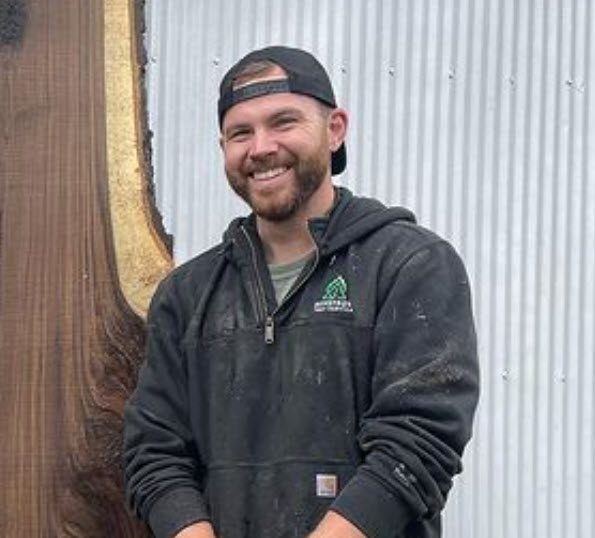
Erik Renstrom
For over a decade, Erik Renstrom, along with his company Renstrom Tree Service have been servicing the Minneapols / St. Paul area, helping home owners and businesses with their trees. Whether you have a tree that has fallen on your house or need storm damage cleanup, we are here for you, 24-7. Call Erik today! (651) 363-9616